
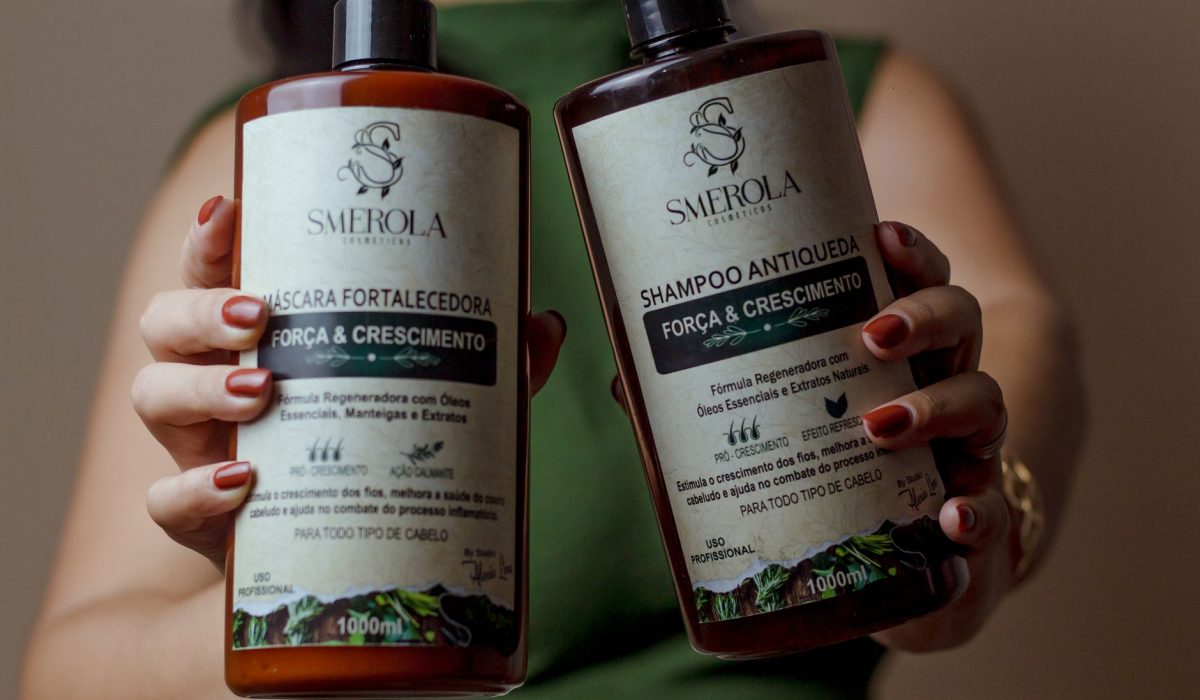
Hair-care science is evolving in a very constant manner. Along with familiar ingredients such as caffeine, biotin as well as plant extracts, peptides are becoming very popular in products designed for thinning hair and hair fall. This has totally led to growing interest in peptide-based shampoos for hair growth.
Peptides are short chains of amino acids that can totally play different roles when present in cosmetic as well as biological formulations. Some peptide-based approaches are being investigated for their overall potential effects on hair follicles and hair-growth cycle.
So, the question comes here is can a peptide shampoo actually make your hair grow?
Let’s learn about it.
What Are Peptides?
Peptides are made up of amino acids which are called building blocks of protein. These are linked together by chemical bonds. These peptides are very commonly used in formulations for haircare as well as skincare.
It is designed to support the appearance and condition of the skin. In hair care, certain peptides are being investigated for their potential role. It helps in supporting the hair fiber, scalp environment as well as biological processes associated with hair growth.
Different peptides can really have very different functions. If you are simply seeing the word peptide on a shampoo bottle while shopping then you need to know that it does not actually tell you how effective the product is going to be even if you use it in a very consistent manner.
The specific peptide, its concentration, formulation and intended purpose all these really matter a lot.
How Could Peptides Help Hair?
Researchers are exploring several ways peptide-based formulations may interact with the biology of the hair follicle.
Some experimental peptide approaches have shown effects on pathways involved in all these:
- Hair-follicle activity
- Dermal papilla cells
- Cellular signalling
- Hair-shaft formation
- The hair-growth cycle
According to a recent review of emerging treatments for androgenetic alopecia. It is reported that peptide-based formulations as well as growth-factor concentrates have shown potentially beneficial follicular effects in early research.
It has also been highlighted that major limitations related to differences in formulations, delivery methods, dosing as well as study designs. This means peptides are an interesting area of research but they should not yet be treated as a guaranteed solution for hair loss.
Can Peptide Shampoo Make Hair Grow?
This is the most important question. There is currently insufficient evidence to say that peptide-based shampoo can totally work to regrow hair.
Research into peptide-based hair-growth formulations is still developing. The studies of a particular peptide or even leave-on formulation cannot automatically be applied to every shampoo which is power-packed with peptides.
There is also a very crucial difference between a leave-on scalp treatment and a shampoo.
The hair fall control shampoo is applied, massaged and then rinsed away completely. A leave-on product remains on the scalp for substantially longer. Even if a particular peptide shows promising activity in a leave-on formulation that does not totally prove that the same peptide in a rinse-off shampoo will produce hair regrowth.
Peptide Shampoo vs Regular Shampoo
A regular shampoo primarily cleans the scalp as well as hair.
Depending on its formulation, it may also help with all these:
- Remove excess oil
- Reduce buildup
- Improve hair feel
- Support scalp hygiene
- Condition the hair
- Reduce some forms of breakage
A peptide-based shampoo adds peptide ingredients to this basic hair-care function.
The purpose may be to provide a more targeted formulation for people concerned about:
- Hair thinning
- Weak-looking hair
- Hair breakage
- Hair fall
- Reduced hair density
The overall presence of peptides does not automatically make a shampoo a medical hair-loss treatment.
What Are the Potential Benefits of Peptide-Based Shampoos?
Even when a peptide shampoo cannot be considered a proven hair-regrowth treatment then it may have useful cosmetic benefits which totally depend on the formulation.
1. Supports Hair Conditioning
- Some peptide-containing formulations may be designed to improve the feel and appearance of the hair.
- This can be particularly useful when hair feels rough, dry or weak.
2. Helps Improve Hair Manageability
- A well-formulated shampoo can make hair easier to handle and style.
- Reducing excessive tangling and rough handling can also help minimise mechanical breakage.
3. May Support the Appearance of Thicker Hair
- Some shampoos make hair appear fuller. It functions by improving texture, coating the strands or even reducing breakage.
- This is very different from actually increasing the number of hair follicles.
- The total distinction is very crucial when evaluating hair-growth claims.
How to Choose a Peptide Shampoo?
Look at the complete formulation.
Consider:
Your Scalp Type
An oily scalp may need a different cleansing formula from a dry or sensitive scalp.
Your Hair Type
Fine hair may become weighed down by rich formulations, while thick or coarse hair may benefit from additional conditioning.
The Complete Ingredient List
A shampoo may contain peptides alongside other ingredients such as:
- Amino acids
- Conditioning agents
- Plant extracts
- Panthenol
- Caffeine
- Humectants
- Cleansing agents
The complete formulation totally determines how the product behaves.
Your Actual Hair Concern
If your main problem is frizz or breakage then make sure to choose accordingly.
If your concern is progressive thinning then you should consider whether you need professional evaluation rather than simply another shampoo.
Are Peptide Shampoos Safe?
Most cosmetic shampoos are very well designed for routine external use but individual ingredients can lead to irritation or sensitivity in some people.
If you have:
- A sensitive scalp
- Eczema
- Persistent itching
- Redness
- Flaking
- Burning
Consider stopping a product that appears to worsen your symptoms. It is very highly recommended to speak with a dermatologist if the problem persists.
Also remember that natural or advanced does not automatically mean suitable for everyone.
A new shampoo may be reasonable when your concern is routine hair care.
But consider professional evaluation if you notice:
- Sudden heavy shedding
- A widening part
- Progressive thinning
- Bald patches
- Receding areas
- Persistent scalp inflammation
- Hair loss lasting for several months
Experts recommend identifying the cause of hair loss because different conditions require different approaches. This is particularly very crucial for women because hair thinning can be associated with several factors which includes hereditary hair loss, hormonal changes as well as medical conditions.
Final Thoughts
Peptide-based shampoos represent an interesting development in modern hair care. They are not yet a proven standalone solution for hair regrowth.
Peptide-based formulations are expanding as well as early findings suggest that some peptides may influence biological processes relevant to hair follicles.
If your main concern is dryness, breakage or hair manageability then a well-formulated peptide shampoo which is the best anti hair fall shampoo may be a useful addition to your routine.
If you are experiencing persistent shedding or progressive thinning then the overall first step should totally be understanding why your hair is falling out.
The best shampoo for hair can totally support your hair-care routine but identifying the underlying cause remains more important than choosing an ingredient based on a promising label.