Kombucha has become one of the most popular fermented beverages in recent years. Known for its tangy flavor light carbonation and probiotic content it is often enjoyed as a refreshing alternative to sugary soft drinks. As its popularity has grown many people have started experimenting with it in different ways including cocktails and mixed beverages. This naturally leads to the question: Can You Mix Kombucha With Alcohol?
The simple answer is yes. Many people combine kombucha with alcoholic drinks such as vodka gin rum tequila or sparkling wine. In fact some breweries and beverage companies even produce alcoholic kombucha products specifically designed for adult consumers.
However there is more to consider than simply mixing the two beverages together. Flavor profiles alcohol content fermentation processes and personal health considerations can all influence the experience. Understanding how kombucha and alcohol interact can help you make informed decisions and enjoy the combination responsibly.
Understanding Kombucha and Its Unique Characteristics
Before discussing alcohol combinations it helps to understand what kombucha actually is.
Kombucha is a fermented tea beverage typically made from black or green tea sugar and a culture of bacteria and yeast commonly known as a SCOBY. During fermentation the microorganisms consume much of the sugar and create various compounds including organic acids carbonation and trace amounts of alcohol.
Traditional kombucha usually contains only a very small amount of alcohol due to the fermentation process. In many regions commercially sold kombucha must remain below specific alcohol thresholds to be marketed as a non-alcoholic beverage.
One reason kombucha works well in mixed drinks is its flavor complexity. Depending on the ingredients and fermentation process it may have fruity citrusy herbal floral or slightly vinegary notes. These characteristics can complement many types of spirits and create interesting flavor combinations.
Its natural carbonation also contributes to its appeal as a mixer. The bubbles add a refreshing quality that can enhance both alcoholic and non-alcoholic beverages.
Because kombucha already contains multiple layers of flavor it often provides more character than traditional mixers.
Why People Mix Kombucha With Alcohol
There are several reasons why people choose to combine kombucha with alcoholic beverages.
Flavor is perhaps the biggest factor. Kombucha offers a unique balance of sweetness acidity and carbonation that can complement many spirits. The result is often a more complex and refreshing drink than one made with standard mixers.
Some people appreciate the reduced sweetness compared to sodas or sugary cocktail ingredients. Kombucha can provide flavor and fizz without creating an overly sweet beverage.
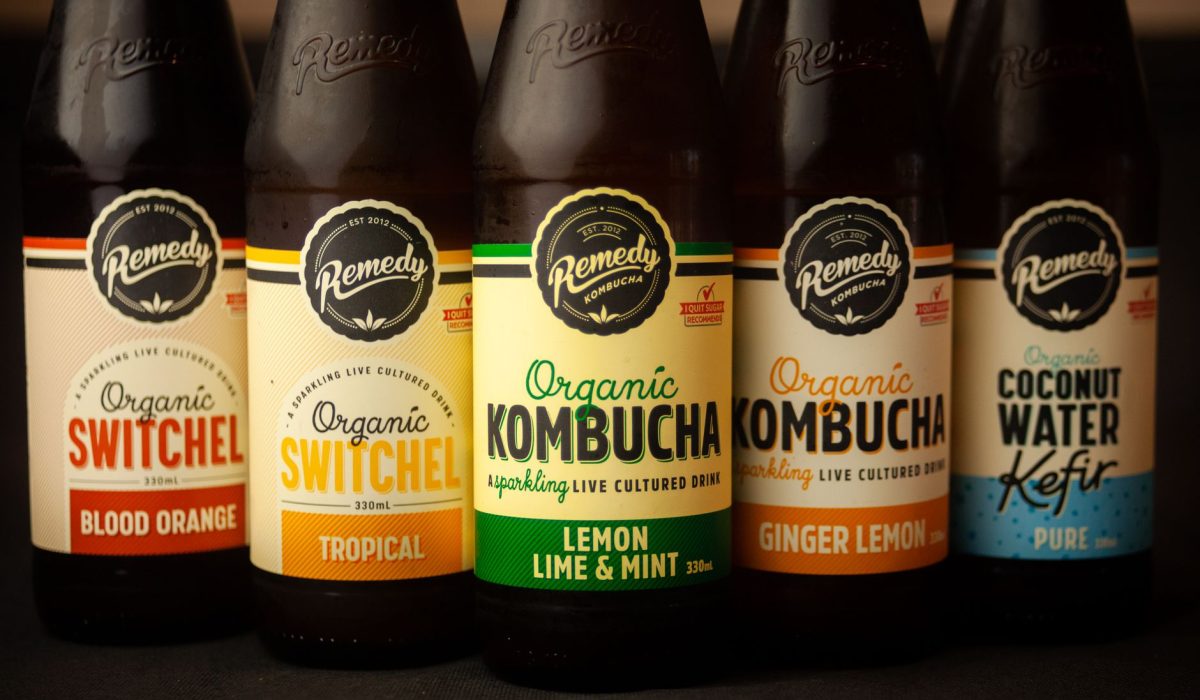
Variety is another reason. With countless kombucha flavors available including ginger berry citrus mango lavender and hibiscus there are many opportunities for creative drink combinations.
The beverage also appeals to consumers looking for alternatives to traditional cocktail mixers. Its fermented nature and distinctive taste make it an interesting option for experimentation.
Social trends have contributed to its popularity as well. As interest in craft beverages and artisanal cocktails continues to grow kombucha has found a place in many bars restaurants and home beverage creations.
These factors have helped make kombucha a common ingredient in modern mixed drinks.
Popular Alcohol Pairings With Kombucha
Many different types of alcohol can be paired with kombucha depending on the desired flavor profile.
Vodka is often considered one of the easiest spirits to combine with kombucha because its neutral flavor allows the kombucha's characteristics to stand out. Fruit-flavored kombuchas tend to pair particularly well with vodka.
Gin is another popular choice. Botanical ingredients found in gin often complement floral herbal and citrus kombucha varieties. The combination can create a refreshing and sophisticated beverage.
Rum works well with tropical flavors. Pineapple mango coconut and citrus kombuchas can pair nicely with both light and dark rum depending on the desired taste.
Tequila can create interesting combinations when mixed with citrus-based or spicy kombuchas. Ginger and lime varieties are especially popular among those who enjoy tequila cocktails.
Sparkling wine and champagne are sometimes combined with kombucha for a lighter bubbly beverage. This pairing can enhance both the acidity and carbonation while creating an elegant drinking experience.
Craft beer enthusiasts occasionally experiment with kombucha as well. Certain beer styles may complement specific kombucha flavors creating unique beverage combinations.
The best pairing often depends on personal taste preferences and the specific kombucha being used.
Things to Consider Before Mixing Kombucha and Alcohol
Although combining kombucha and alcohol is common there are several considerations to keep in mind.
Alcohol content is one factor. Since kombucha may already contain trace amounts of alcohol adding spirits increases the total alcohol level of the drink. Understanding the strength of the final beverage is important for responsible consumption.
Carbonation can also affect the drinking experience. Kombucha is naturally fizzy and combining it with alcohol may create a drink that feels lighter than it actually is. This can sometimes lead people to consume more alcohol than intended.
Flavor balance matters as well. Some kombucha varieties have strong vinegar-like notes that may not pair well with every spirit. Experimenting with small amounts first can help identify enjoyable combinations.
Digestive sensitivity is another consideration. Because kombucha is a fermented beverage some individuals may find that combining it with alcohol affects them differently than consuming either beverage alone.
People should also consider any health conditions dietary restrictions or medical advice relevant to alcohol consumption. Kombucha should not be viewed as a way to offset or counteract the effects of alcohol.
Moderation remains important regardless of the ingredients used.
Alcoholic Kombucha and the Growing Beverage Market
The popularity of kombucha has led to the emergence of alcoholic kombucha products in many markets.
Unlike traditional kombucha these beverages undergo additional fermentation processes that result in higher alcohol levels. They are often marketed as alternatives to beer hard seltzer or ready-to-drink cocktails.
Many consumers are attracted to alcoholic kombucha because of its unique flavor profile. It offers a different experience compared to conventional alcoholic beverages while maintaining some of the characteristics that made kombucha popular in the first place.
Breweries and beverage companies continue to introduce new flavors and styles as demand grows. Fruity combinations herbal infusions and seasonal releases have become increasingly common.
The rise of alcoholic kombucha reflects broader trends within the beverage industry where consumers seek innovative products with distinctive flavors and ingredients.
For those interested in combining kombucha and alcohol these commercially produced options provide another way to experience the pairing.
Tips for Enjoying Kombucha-Based Drinks Responsibly
If you choose to mix kombucha with alcohol there are several simple practices that can help create a better experience.
Start with small quantities to understand how different flavor combinations work together. Not every spirit pairs equally well with every kombucha variety.
Pay attention to alcohol content and serving sizes. Carbonation and refreshing flavors can sometimes make alcoholic beverages seem less potent than they actually are.
Stay hydrated especially when consuming alcoholic drinks. Water remains an important part of responsible alcohol consumption.
Choose high-quality ingredients whenever possible. Fresh kombucha and quality spirits often produce better flavor results than lower-quality alternatives.
Listen to your body's response. Individuals may react differently to fermented beverages and alcohol combinations.
Most importantly consume alcoholic beverages responsibly and in accordance with local laws and health recommendations.
Final Thought
So Can You Mix Kombucha With Alcohol? Yes you can and many people do. Kombucha's natural carbonation tangy flavor and wide range of varieties make it an appealing mixer for cocktails and other alcoholic beverages.
Whether paired with vodka gin rum tequila or sparkling wine kombucha can add complexity and refreshment to a drink. Its growing popularity has even inspired the creation of commercially produced alcoholic kombucha products that offer a ready-made alternative.
At the same time it is important to understand the effects of combining fermented beverages with alcohol. Paying attention to flavor balance alcohol content and responsible consumption can help ensure a more enjoyable experience.
For those interested in trying something different kombucha offers a creative and versatile option that continues to gain attention in the modern beverage world.
FAQs
Can you mix kombucha with alcohol safely?
Yes. Many people mix kombucha with alcoholic beverages but it is important to consume alcohol responsibly and be aware of total alcohol content.
What alcohol pairs best with kombucha?
Popular choices include vodka gin rum tequila and sparkling wine. The best pairing depends on the kombucha flavor and personal preference.
Does kombucha already contain alcohol?
Traditional kombucha may contain small trace amounts of alcohol due to fermentation but it is generally considered non-alcoholic when sold within regulatory limits.
Can kombucha replace traditional cocktail mixers?
Yes. Its carbonation and flavor complexity make it a popular alternative to sodas and other cocktail mixers.
What is alcoholic kombucha?
Alcoholic kombucha is a fermented beverage produced with higher alcohol levels than standard kombucha and is intended for adult consumption.
Does mixing kombucha with alcohol reduce alcohol effects?
No. Kombucha does not cancel or reduce the effects of alcohol. Alcohol should always be consumed responsibly regardless of the mixer used.